Nutrition on Autopilot
Eliminating the mental overhead of meal planning by letting your kitchen inventory dictate your diet.
Role
Product Designer
Timeline
4 Weeks
Skills
Product Design Frontend Engineering Research
School
Eesti Kunstiakadeemia Tallinn
The Nutrition Tracking Trap
Peak physical performance depends on three things working together: sleep, training, and nutrition. Nutrition is the hardest to get right — and missing your macros consistently means your training effort goes unrewarded.
Apps like MyFitnessPal exist — but they are reactive. They have no idea what food you actually have in your kitchen.
Why Eat This Much?
I chose to redesign Eat This Much — an app that promises to put your diet on autopilot. The concept is brilliant, but the execution is cluttered and feels more like managing a spreadsheet than a lifestyle.

Research & Discovery

Interaction Map


I created two interaction maps to understand the complexity of the existing app. The first map revealed an overwhelming number of functions — too many paths, too many decisions. The second iteration brought more clarity by grouping related actions, but it still showed how easily the user gets lost. This confirmed the core problem: the user is overwhelmed by the sheer volume of functionality before even starting.
Every task you carry in your head — daily.
Who Is the User?
Fitness-focused. Needs structured, inventory-aware nutrition planning.
Generate weekly meal plans that hit macro targets — automatically.
Follows AI-generated plans to protect physical progress and mental energy.
Manages nutrition digitally. Stays clear-headed, not overwhelmed.
Embodied User Research
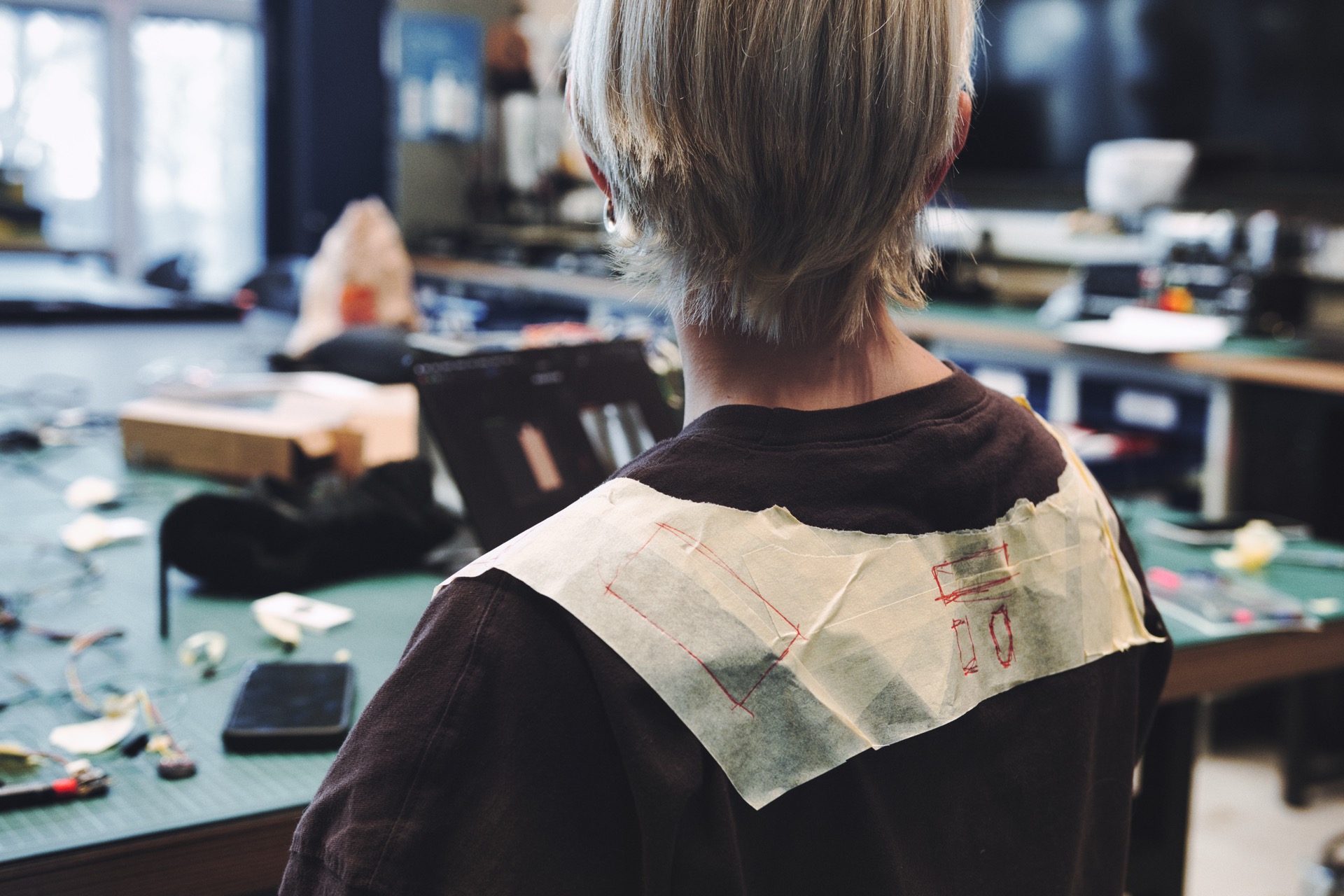
To understand the emotional journey of building something from scratch, I assembled a Lego Technic set as an embodied research exercise — experiencing firsthand the confidence of having all pieces visible, the flow state of structured assembly, and the trust built through incremental progress.


Confidence
Having complete visibility of all required resources guarantees the final outcome.
Entering the Flow State
Trust
Every piece fits perfectly, creating micro-wins and trust in the system.
Low Fidelity Wireframe
Mid Fidelity Wireframe
Design Thoughts


Empathy Map
To truly understand the user's frustrations, I built an empathy map that revealed the emotional toll of daily meal planning — the anxiety, the guilt, and the overwhelming desire for simplicity.

People subconsciously believe that a diet must be challenging, restrictive, and bland. I wanted the UI to prove that hitting your macros can be highly diverse and appetizing.
The Turning Point
What if we reversed the entire process?
Before
Think of a meal — check your fridge — buy missing ingredients — cook — log every item manually. Repeated 3 to 5 times a day, every single day.
After
Tell the app your groceries. The AI generates a complete meal plan that hits your macros — automatically, from what you actually have at home.
How might we simplify meal planning for athletes who want to prioritize their training, ensuring they hit their macro goals with confidence and zero mental friction?
Design Principles
Before a single screen was designed, I committed to five principles that would guide every decision in this project.
Clarity over Variety
Inventory Dictates Choice
Time-Saving
Build Trust
Avoid the Unexpected
Designing the Autopilot
Onboarding
The original felt like an interrogation. I rebuilt it as a calm, progressive flow — physical profile, goals, and meal preferences — one thoughtful step at a time.


Meals
By the time you land on the home screen, your entire day is already planned. Engaging loading screens keep users present while the AI works in the background.
Approve. Swap. Done. No calorie counting, no spreadsheet — just a plan that fits your macros.


Meal Details
Tap any meal and get the full recipe — step-by-step instructions, every ingredient, and exactly how much of each you'll need from your groceries.
Swap an ingredient. Adjust a portion. The AI recalculates instantly.

Grocery Management
You don't organize the fridge. The AI does. Ingredients are automatically grouped by their dominant macro — protein, carbs, fats — sorted without lifting a finger.
Add via barcode scan, photo, or text. The pantry builds itself.


AI Chat
See a meal you like? Hit Approve. Don't? Tap Alternatives — the AI generates new options instantly from what's already in your fridge.
Ask anything — swap an ingredient, log a cheat meal, or get a macro breakdown in seconds.
Preferences
The original app let you configure everything — but too many options created decision fatigue. I stripped it down to the essentials that actually matter.
Dietary restrictions. Cuisine preferences. Meal count. Set once — respected everywhere.


Grocery Scan
Manual typing is dead. Scan a barcode, paste a text note, or snap a photo. The AI reads the label, extracts the macros, and stocks your digital pantry automatically.
Three input methods. Zero friction. Your fridge is always up to date.
AI Food Imagery
Every meal is paired with a photorealistic image generated by Weavy AI. Because appetite starts with the eyes — and ugly food kills motivation before the first bite.


Design System
Every component was built from scratch in Figma — cards, macros rings, scan inputs, and approval flows — forming a coherent system with a single visual language.
Figma MCP with Windsurf for High Fidelity Prototyping
I connected Figma directly to Windsurf via MCP — the AI read my design tokens, spacing, and component structure, then generated pixel-accurate Next.js code. No manual handoff, no copy-pasting hex values. Every color, radius, and layout decision went straight from the design file into production.
Don Norman Principles
Visceral
It doesn't look like a spreadsheet. It looks like a premium tool. Clean visuals, bold typography, and high-end assets signal precision and control.
Behavioral
Zero friction. Speed over typing. Manual data entry is replaced by one-tap actions, barcode scanners, and photo logs.
Reflective
Absolute control. It replaces the guilt of failed plans with an identity shift towards empowerment. The app mirrors the athlete's discipline.
Impact & Takeaways
100+
cluttered functions
reduced to
28
connected actions
It doesn't just track data. It completely eliminates the mental overhead of dieting — outsourcing the heavy lifting to the AI so the athlete can focus on execution.
Handling massive amounts of data and edge cases was incredibly challenging. But turning a deep personal pain point into a functional, beautiful product reminded me exactly why I love UX design.